

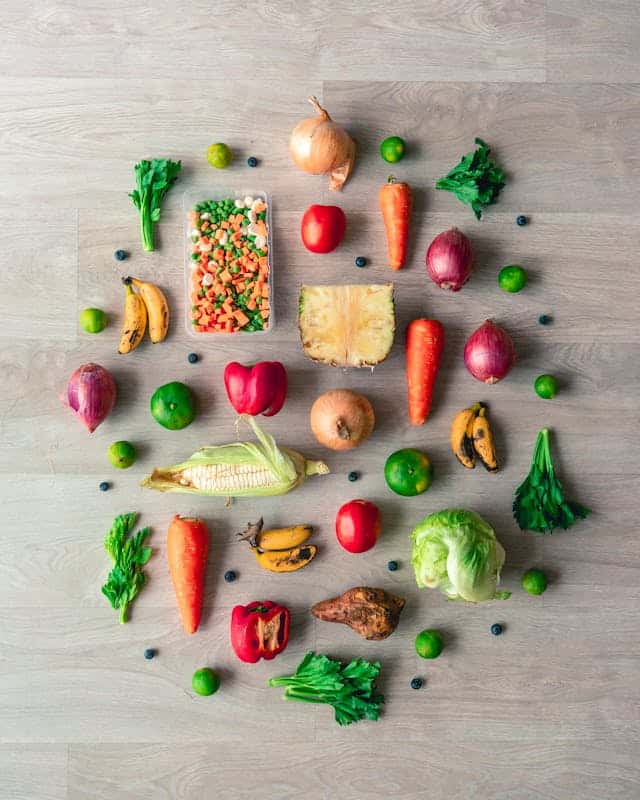
The term superfoods does not have a precise scientific definition, but rather it is a marketing term for foods rich in nutrients, antioxidants or bioactive compounds. In the context of pet nutrition, there is talk of “functional nutritional products” that – in addition to basic macro- and micronutrients – can support the health of the body.
The scientific literature defines such ingredients as functional foods and notes that they can affect the functions of the digestive tract, biochemical parameters or general health. It should be emphasized that the number of tests on dogs and cats is still limited.
The best-studied ingredient, often referred to as a “superfood”, is long-chain Omega-3 fatty acids. Studies have found that EPA and DHA can reduce inflammation, support skin and coat health, and benefit cognitive function in old age in dogs and cats. They are used in therapeutic doses in many diseases of dogs and cats, but also as a support for good health in healthy animals. Read more https://dietetykzwierzecy24.pl/suplementacja-diety-psa-kwasy-omega-3/
Probiotics (beneficial bacteria) and prebiotics (substances that support the growth of a good gut microbiota) are increasingly being studied in the context of gastrointestinal health. Studies show that in dogs and cats, they can improve the quality of bowel movements, support the gut microbiota, and lower inflammatory markers in the gut. Read more https://dietetykzwierzecy24.pl/zdrowe-jelita/
Although it is not a “superfood” in the human sense, taurine is absolutely crucial for cats (due to their carnivorous metabolism) and its adequate supply has an impact on heart and vision functions. This is an example of an ingredient that is scientifically known to be essential in a cat’s diet, especially in the case of cooked meals and commercial diets enriched with taurine in the right amount.
In the context of so-called superfoods, vegetables and fruits are often mentioned as a source of vitamins, fibre and bioactive compounds such as polyphenols and carotenoids. In human nutrition, their beneficial effects are well documented, however, in the case of dogs and cats, the situation is more complex and requires taking into account metabolic differences between species.
However, scientific studies show that the content of bioactive compounds after industrial processing can be very low. Certainly, the fiber associated with the consumed of this group of products should be taken into account. In addition, some studies, for example, have indicated a decrease in creatine kinase levels in a group of dogs fed with the addition of berries (effect on oxidative stress). So you should not completely ignore the addition of selected fruits or vegetables, but remember about the role of other nutrients. For cats, the most important element is to remember the role of fiber in your cat’s diet, as often commercial diets can be too low in fiber, which can cause constipation in your cat.
Similarly, spirulina – although rich in protein, vitamins and antioxidants in theory – requires caution when choosing the source and quality of the raw material, since low quality can do more harm than good. It should also be remembered that there are still few studies conducted on dogs, although some indicate positive results – such as improving the stability of the gut microbiota, which is positively associated with increased immunity of the dog.
It is important to understand that no single “superfood” can replace a balanced diet based on essential nutrients proteins, fats, carbohydrates, vitamins and minerals adapted to the species, age and health of the dog or cat.

© Smart Solution Bożena Wróblewska
ePetNutrition.com
All Rights Reserved