Giving treats to a dog correctly is a topic that is often underestimated. Meanwhile, snacks have a real impact on the health, figure and behavior of the dog. So it is worth knowing what they really are and what role they should play in the pet’s daily diet.
Delicacies = complementary food
First of all, it should be remembered that snacks, treats and chews for dogs are included in the so-called complementary food. This means that they cannot replace wholesome basic meals. Their task is only to supplement the diet, not to build its foundations. Even the best quality treats do not contain a set of nutrients in such proportions that are necessary for the dog’s daily functioning. For this reason, the main source of energy and nutrients should always be properly selected household food – the so-called complete food.
Number of delicacies per day
A very important rule is quantity. Snacks should not make up more than ten percent of a dog’s daily energy needs. In practice, this means that if a dog receives too many treats, even seemingly healthy ones, there may be a calorie surplus. This can result in being overweight, and in the long run, also problems with joints, cardiovascular system or other health problems. Controlling the amount of treats served requires mindfulness and awareness, especially when the dog receives rewards from several household members.
It’s a good habit to keep simple notes about your dog’s nutrition. Thanks to them, it is easier to assess whether the amount of calories from treats does not exceed the recommended level. We often don’t realize how quickly small prizes add up throughout the day. One treat during a walk, another at home, something while playing and a chew for the evening. All of this matters.
It should be remembered that even if you give the right amount of calories during the day, too much of the treat is still harmful and the dog may suffer from a deficiency of other nutrients.
Clear rules for serving delicacies
It is also worth introducing clear rules for serving treats and sticking to them consistently. Dogs are very good at learning routines and are willing to accept rules if they are consistent and predictable. Treats should not be given out randomly or used to calm the dog in every situation. Instead, it’s best to assign them specific functions.
One of the most common and valuable forms of using treats is training and training. A treat given as a reward for completing a task reinforces the desired behavior and increases the dog’s motivation to learn. However, it is important that the rewards are small and adapted to the intensity of the training.
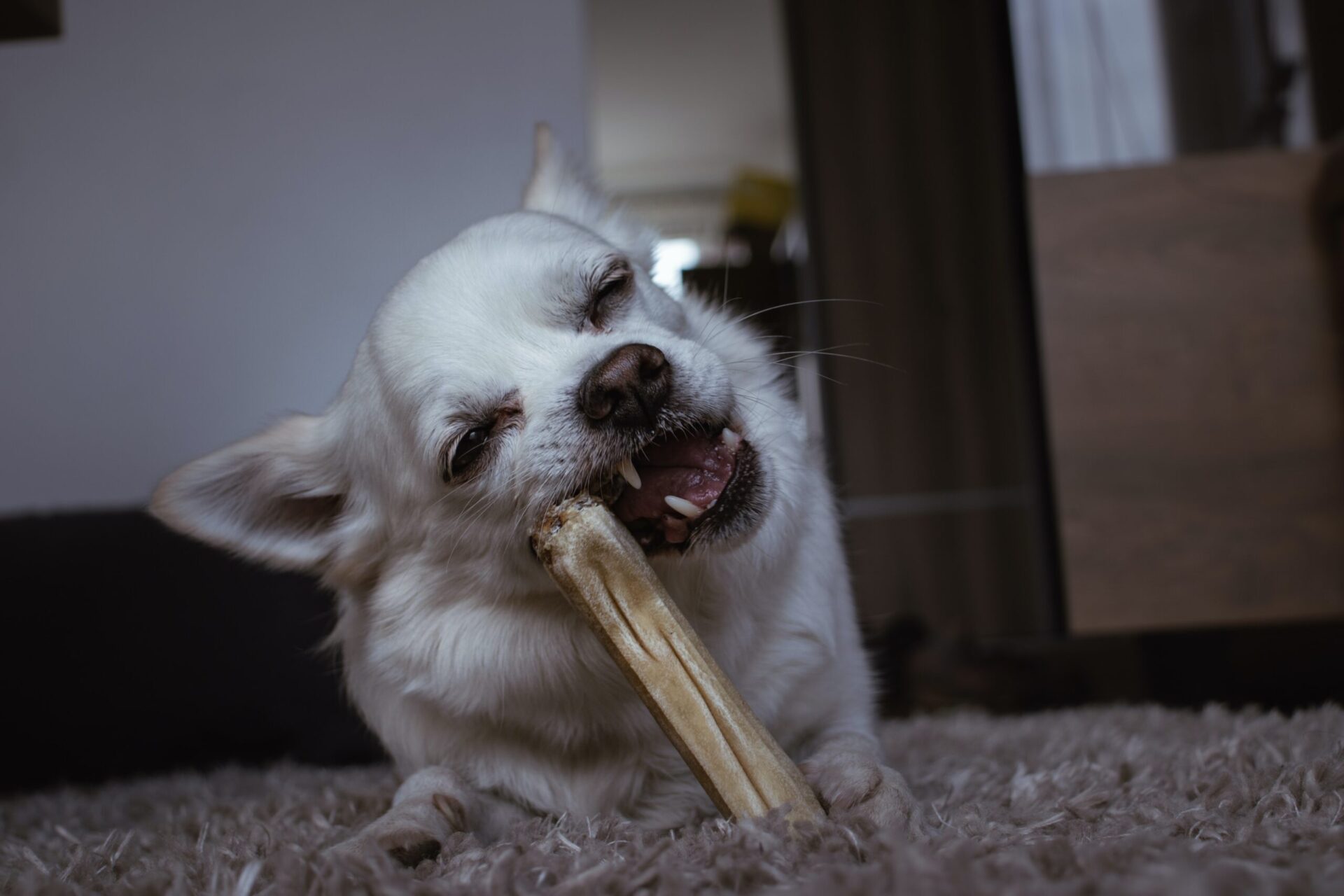
Treats can also help to meet the natural needs of chewing and biting. Properly selected chews support oral hygiene and allow the dog to relieve tension. In addition, the treats can be used during socialization games and games, especially those involving the dog’s sense of smell. These types of activities not only provide joy, but also stimulate the mind and strengthen the bond with the caregiver.
Summary – don’t skip the treats, but control the amount
In conclusion, treats are an important part of a dog’s life, but only if they are used consciously. Treated as an additive, not the basis of the diet, given in controlled amounts and in clearly defined situations, they can really support the health, development and well-being of the dog. A responsible approach to snacks is one of the easiest ways to take care of a long and comfortable life for our four-legged companion.