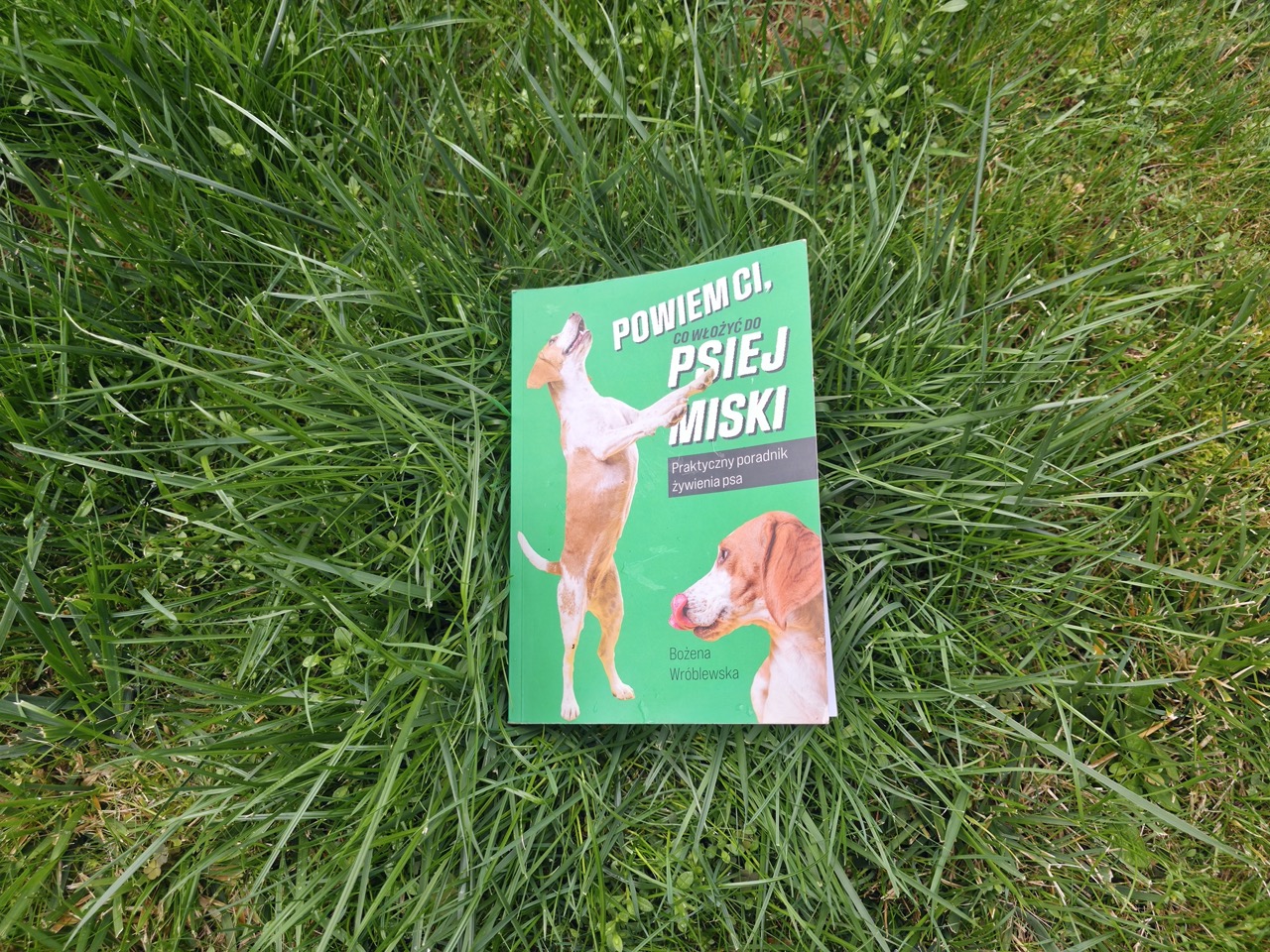
Does the book contain ready-made recipes for dogs?
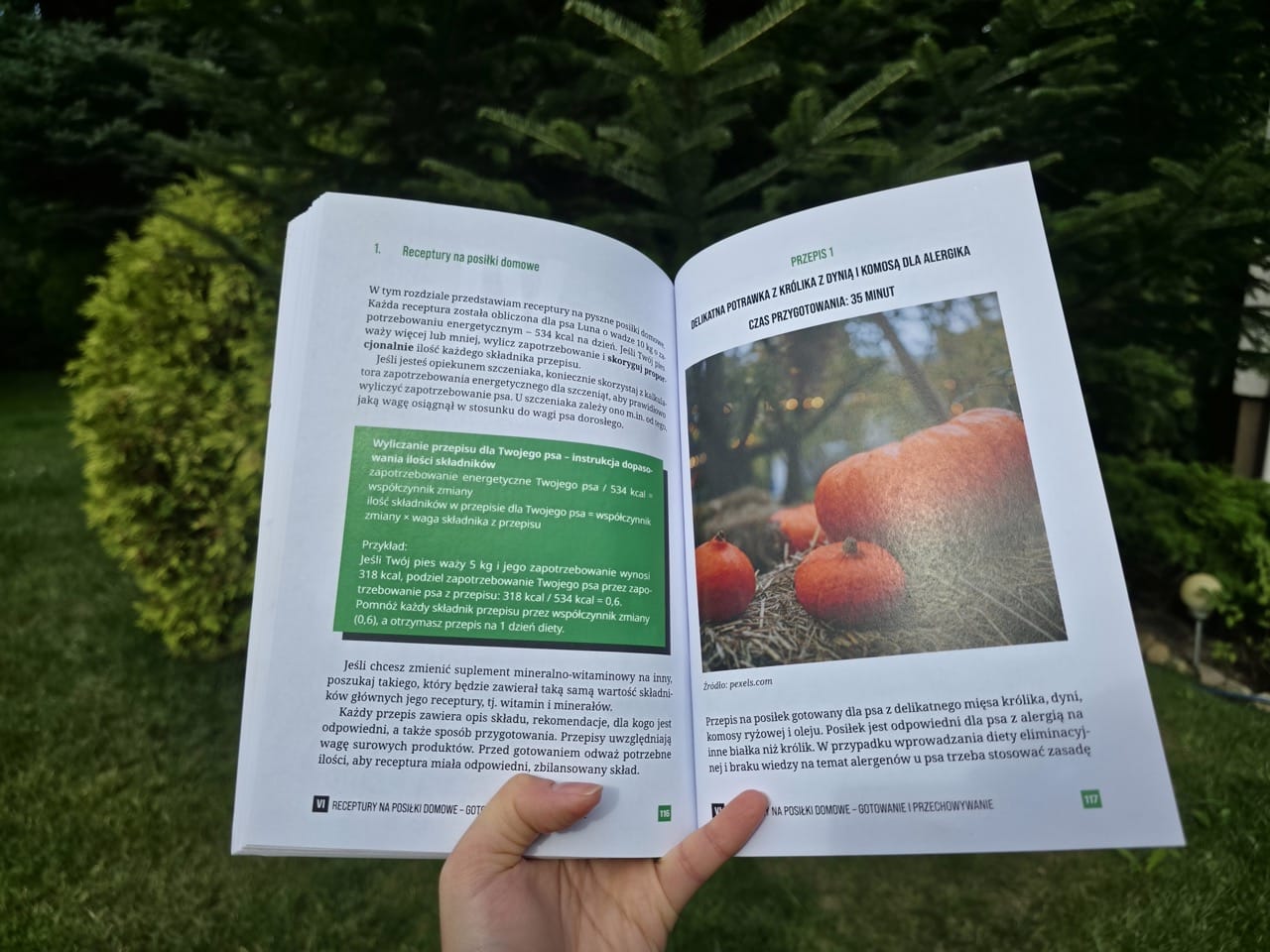
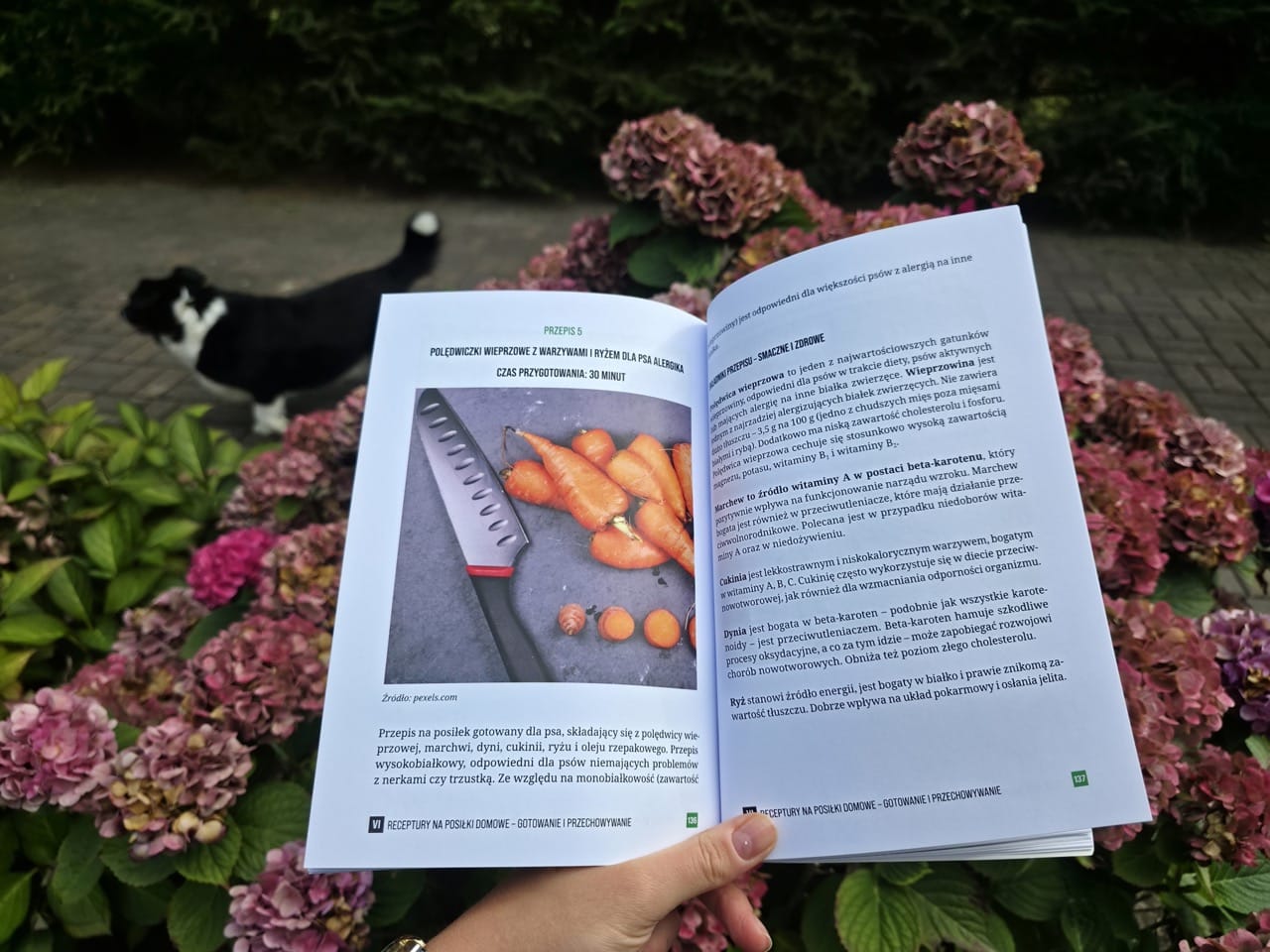
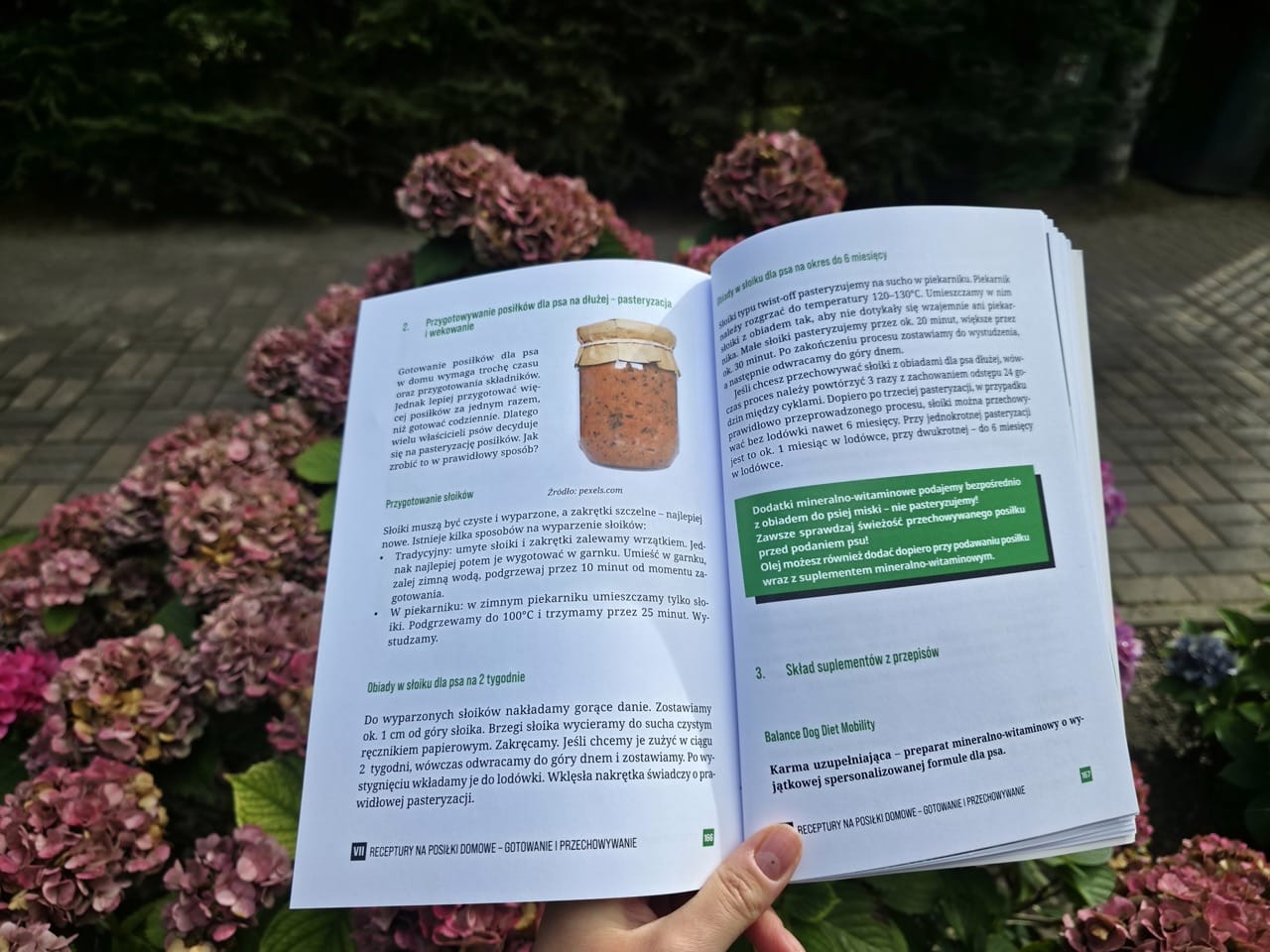
Yes — you’ll find some proven recipes for home-cooked meals and tips for preparing, storing, and baking. Each recipe has clear proportions and takes into account balancing.


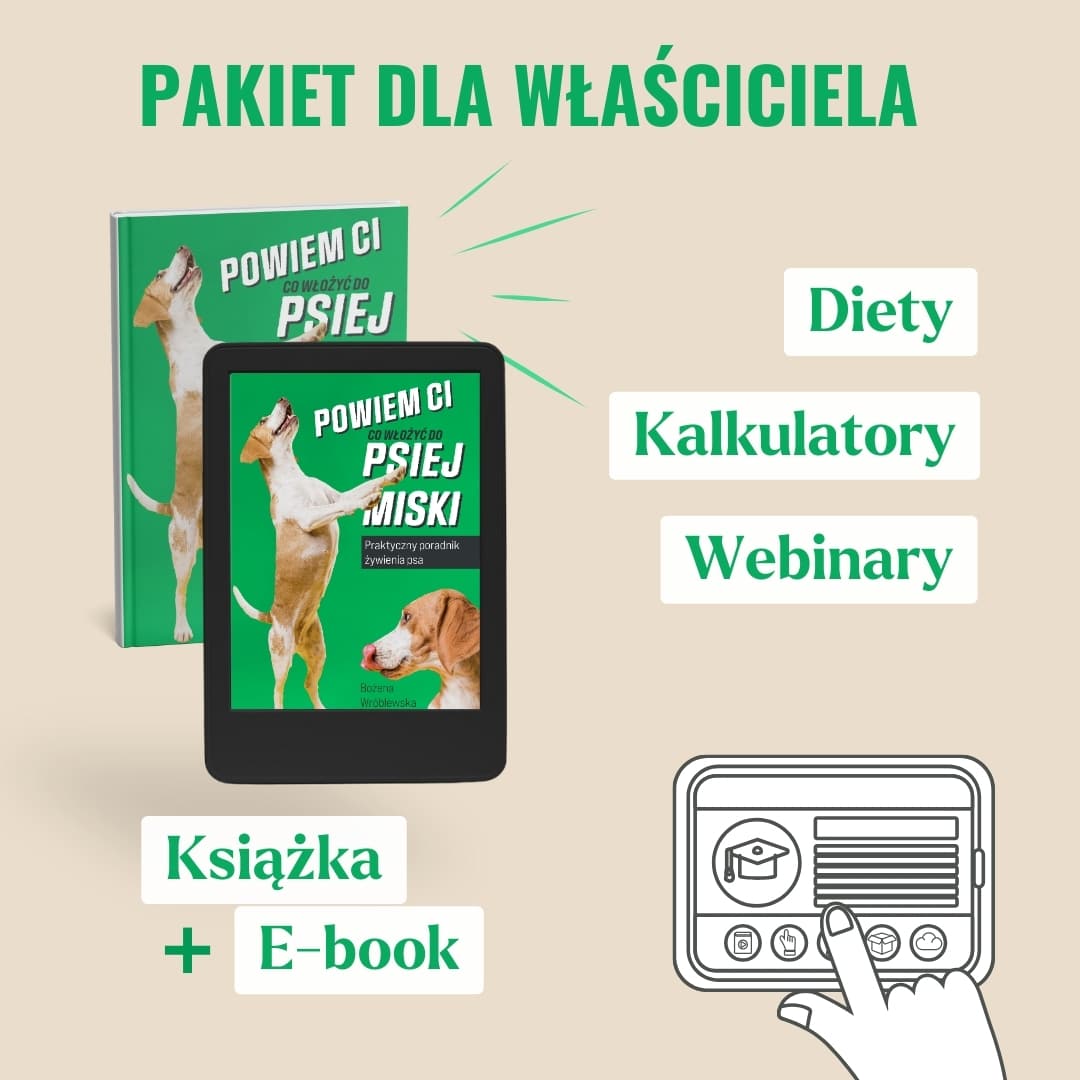
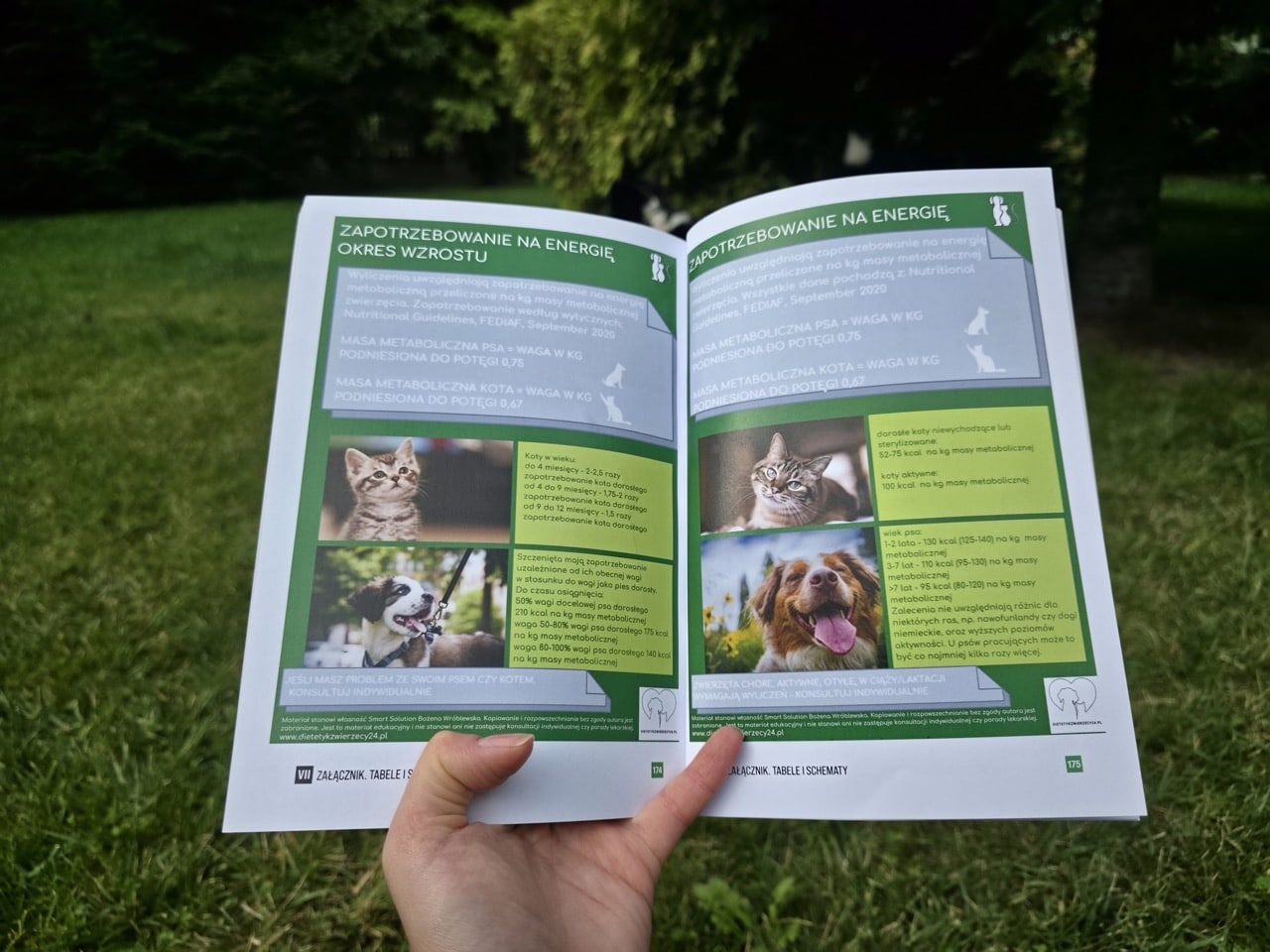
Reading a book is one thing, and using it in practice is another. I know perfectly well what it’s like to start from scratch – everything is new, difficult and just seems inaccessible. That’s why I created the portal dietetykzwierzecy24.pl on which m.in are located. carmculators. It is thanks to them that you will be able to use your knowledge to 100%.
It’s more than just a print and the ability to enter the website. Above all, it is a complete way to understand and change the nutrition of your pets.
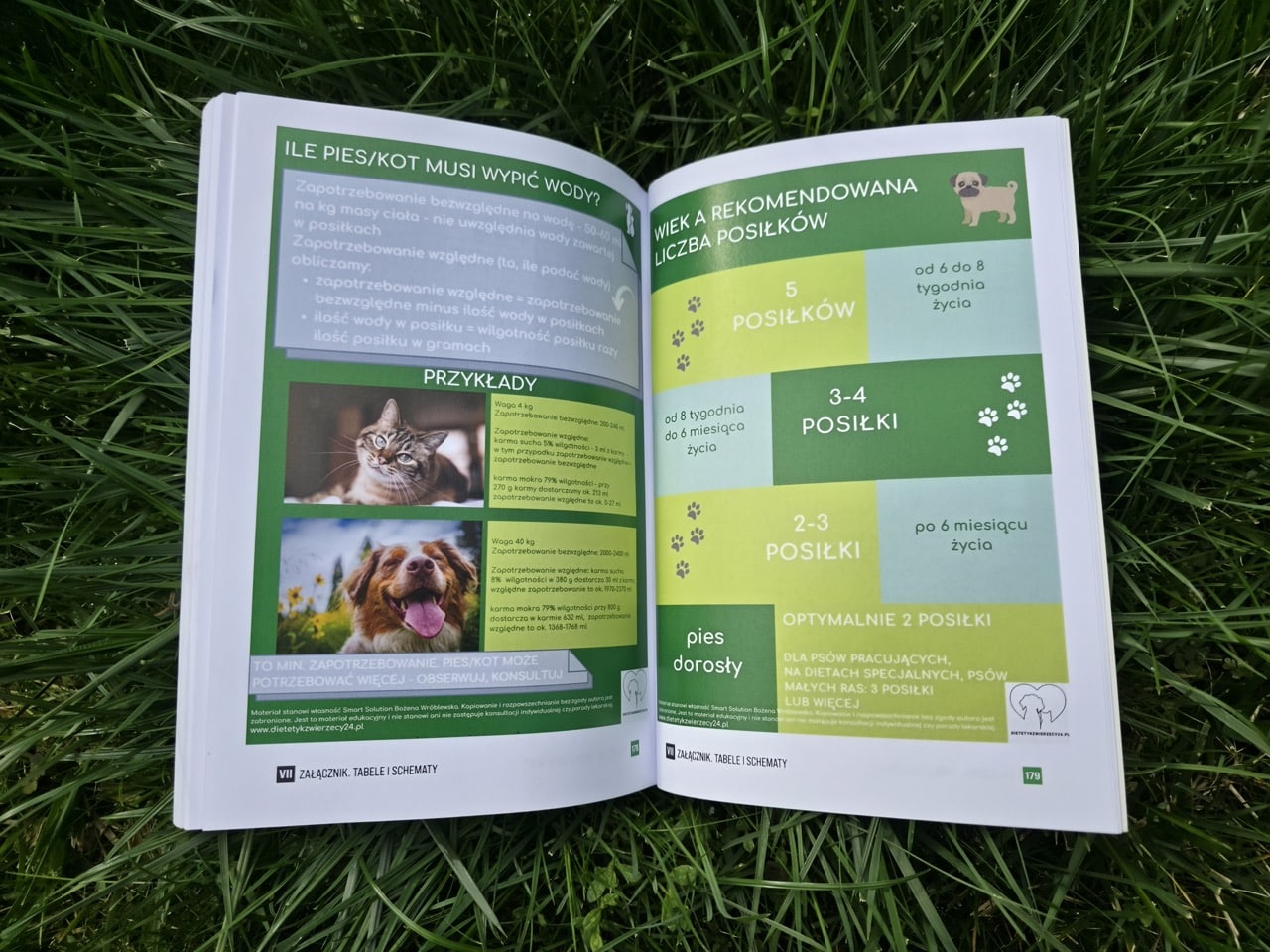
The book is an essential base – a foundation that will initiate your development in the field of dog nutrition. Access to the portal, on the other hand, allows you to maintain an active attitude in learning. You can test everything you will find in the book right here. Calculators will help you calculate your need for food, water or treats in a quick and simple way. Articles will complement other issues, webinars will give space to ask questions, and recipes will show that your dog’s menu doesn’t have to be the same every day.
Anyone who wants to take care of a dog in a conscious way. Is it for people who want to:
It doesn’t matter if you are already an experienced caregiver or just planning to adopt a dog. Everyone will find something for themselves here – from the basics to the more complicated content.
I am an animal nutritionist, psychologist, zoopsychologist, behaviorist and breeder. Currently, my furry family consists of 7 Central Asian Shepherds and 2 Brazilian Terriers. I gained knowledge on numerous, certified courses, reading scientific publications and raising many animals “under one roof”. I am also a member of the European Society of Veterinary and Comparative Nutrition and cooperate with Ethoplanet – Ethological Training and Advisory Center. I put all my experience on paper to help owners, veterinarians and future dietitians. I tell you more about my development and the idea for the book in the video below.
If you have not known at least once what food to choose, how much your dog should eat and how to help him, e.g. during indigestion or food allergy, then I invite you to join my community.
Do you have any questions? Contact me by phone or email – I will tell you about my products and dispel any doubts.
Bożena Wróblewska – psychologist, animal nutritionist and behaviorist, professionally and privately associated with the world of dogs for over 20 years.

Yes — you’ll find some proven recipes for home-cooked meals and tips for preparing, storing, and baking. Each recipe has clear proportions and takes into account balancing.
Yes — I discuss allergies and food intolerances, sensitive stomach, skin and joint problems. Always consult your veterinarian if you have symptoms.
Yes — I explain the differences between complete and complementary foods, forms (dry, wet, semi-moist) and how to read the analytical composition and compare the feeds.
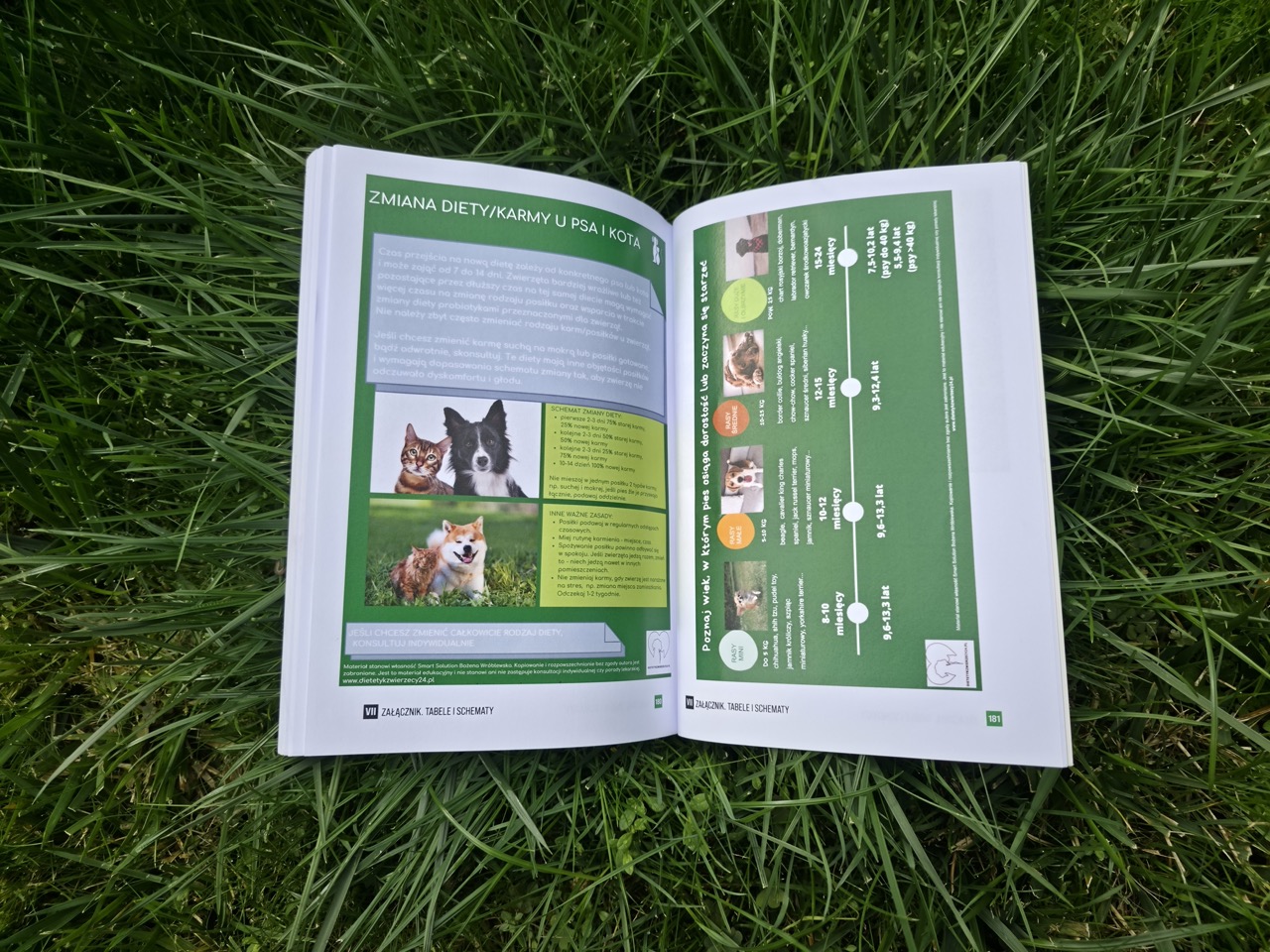
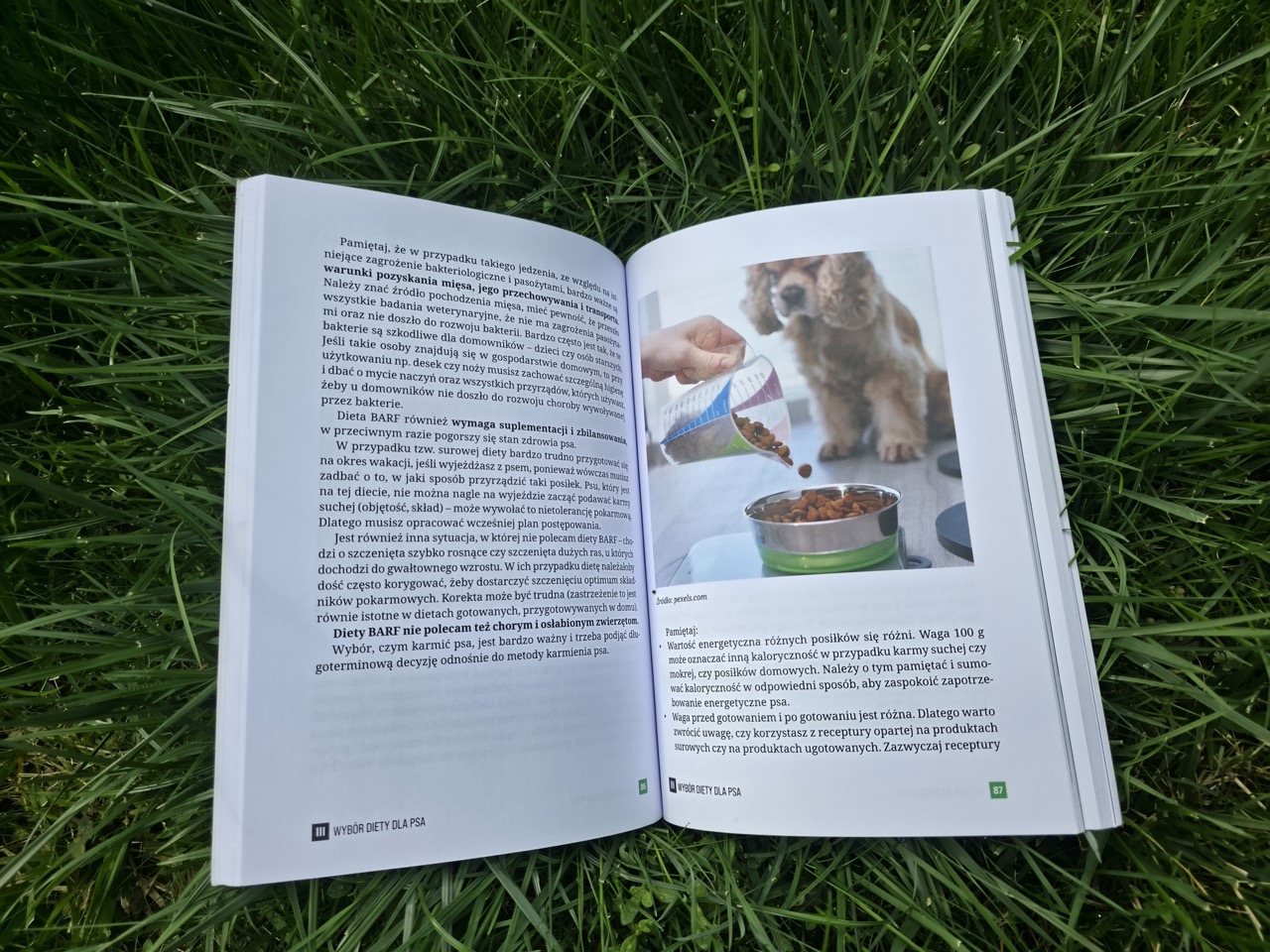
Yes — I show you how to balance meals, count energy needs and when to include supplements. There are also practical tips (weight differences before/after processing, portion planning).
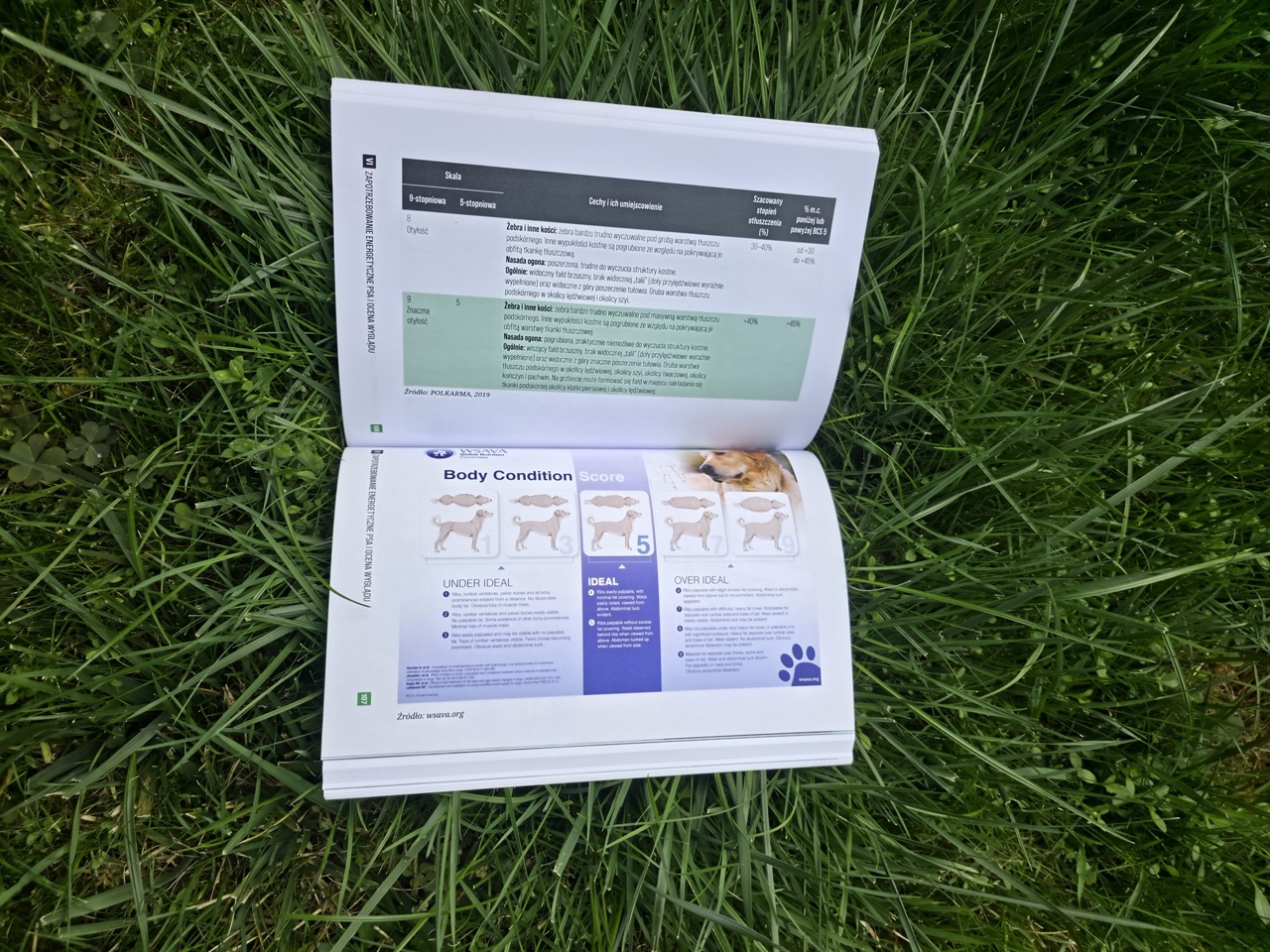
Yes — you will learn to calculate portions according to weight, activity and goal (maintenance / reduction / growth) and recognize underweight, normal weight, overweight and obesity.
Yes — I explain the indicators of protein, fat, fiber, ash and moisture and how to compare foods “dry matter”.
Yes — you’ll find a list of foods to avoid (e.g., chocolate, grapes, onions), with a brief explanation of “why” and what to do after consumption.
Yes — the content is written simply and practically. Each chapter ends with specific tips so that you can act right away.

Number of pages: 188
Binding: Paperback
ISBN: 978-83-970913-1-3
| Weight | 0,5 kg |
|---|